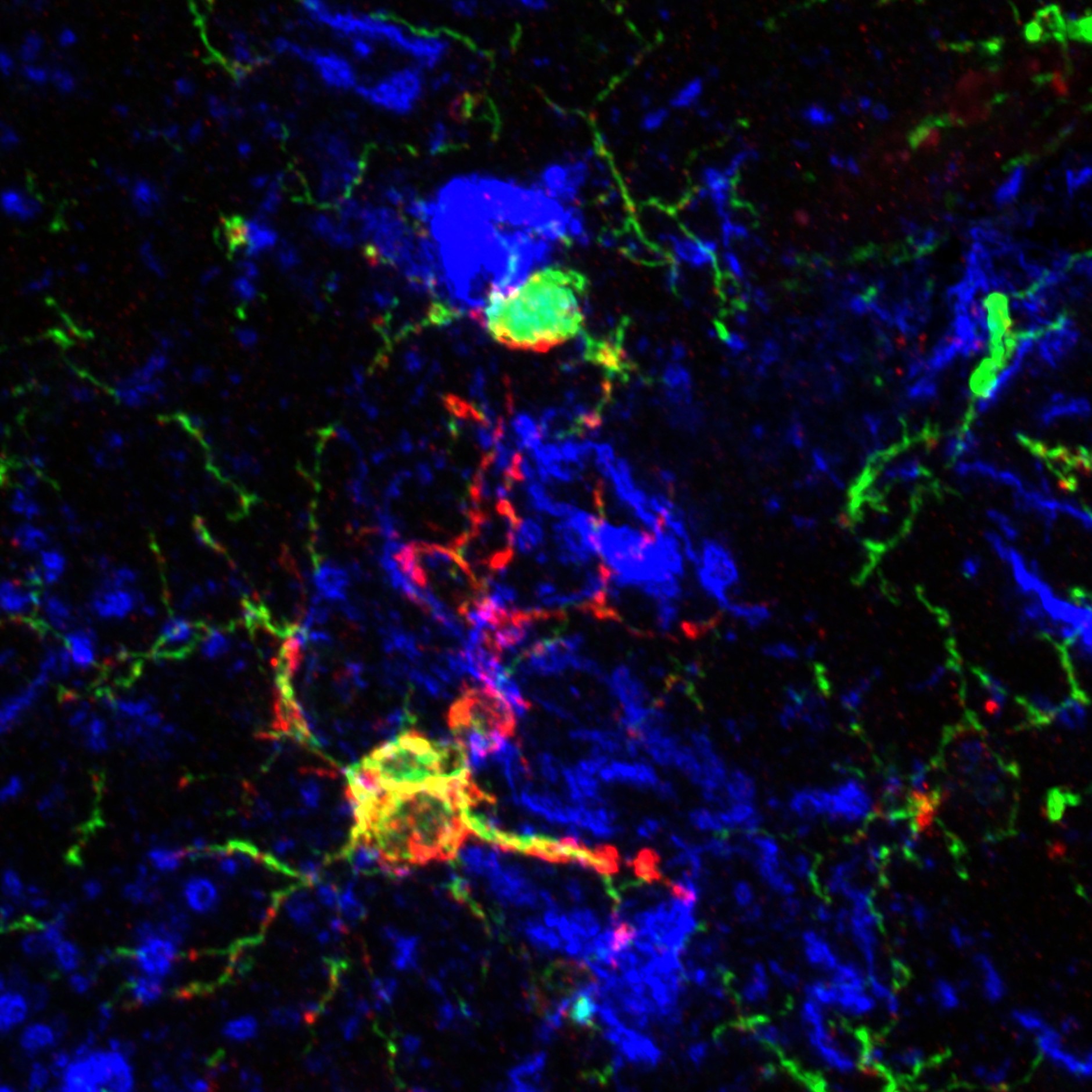
Cherry Lab Laboratory for Neuroimmunology and Digital Pathology Research
Microglia are the gatekeepers to disease
The Cherry Lab is a research group dedicated to understanding how neuroinflammation after repetitive head injury leads to neurodegeneration. Particularly, we focus on the disease Chronic Traumatic Encephalopathy, a progressive neuropathology found in individuals who play contact sports like American football, hockey, soccer, or boxing.
Our work spans techniques using postmortem human brain samples, high throughput genomic techniques, multiplex proteomics, organoid cell cultures, and histology. We also collaborate broadly across disciplines, partnering with clinicians, engineers, and computational biologists to tackle complex biological questions around neuroimmunology.
The group is also highly interested in Digital Pathology and designing novel methods to better examine pathologic burden and disease in digital images.
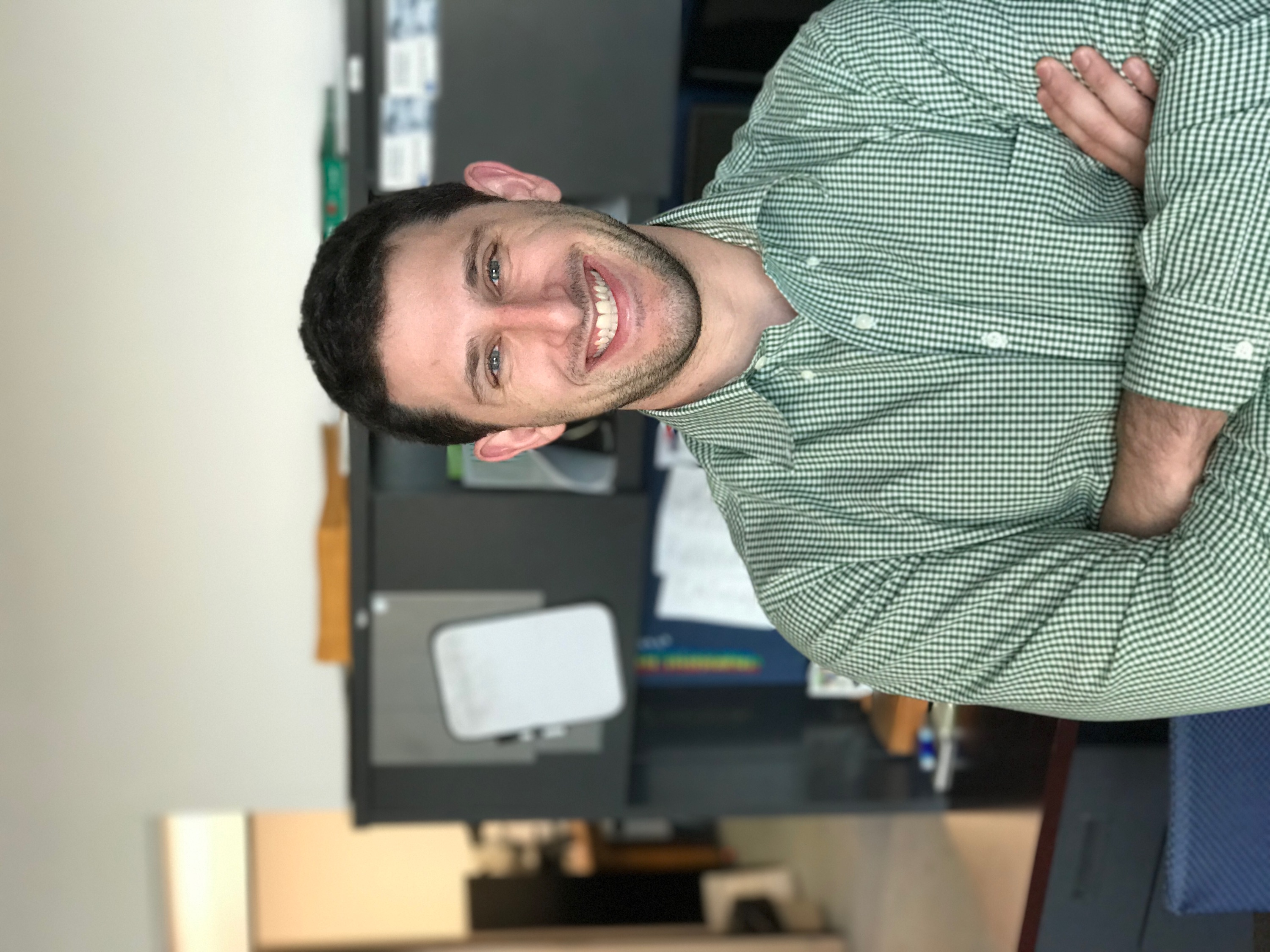
Dr. Cherry is a neuropathology researcher and neuroscientist at Boston University School of Medicine, whose work focuses on the neuroimmune mechanisms that drive chronic traumatic encephalopathy. He obtained his PhD from the University of Rochester in 2015 and finished his postdoctoral fellowship in the laboratory of Dr. Ann McKee, the world renowned leader in the field of CTE, in 2019.
His studies have helped define how microglial activation, chemokine signaling, and genetic susceptibility may shape the transition from repetitive head impacts to tau pathology and neurodegeneration. More recently, his work has identified microglia mediated neuroinflammation and immune dysfunction can be observed before tau pathology occurs in young contact sport athletes, providing some of the first evidence that neuroimmune related targets can be a viable therapeutic and biomarker candidates to identify and treat CTE.
Dr. Cherry is also the director of the BU Digital Pathology Core and has performed extensive analyses on digital brain images. His work has led to a vast resource of quantitative histologic biomarkers that have been invaluable for the characterization of neurodegenerative diseases.
Using single nucleus RNA sequencing across multiple brain regions to uncover how neuroinflammation precedes pathology and tau spread.
Investigating how glial metabolism shifts during disease to identify new mechanistic targets.
Analyzing how astrocytes react to repetitive head injury.
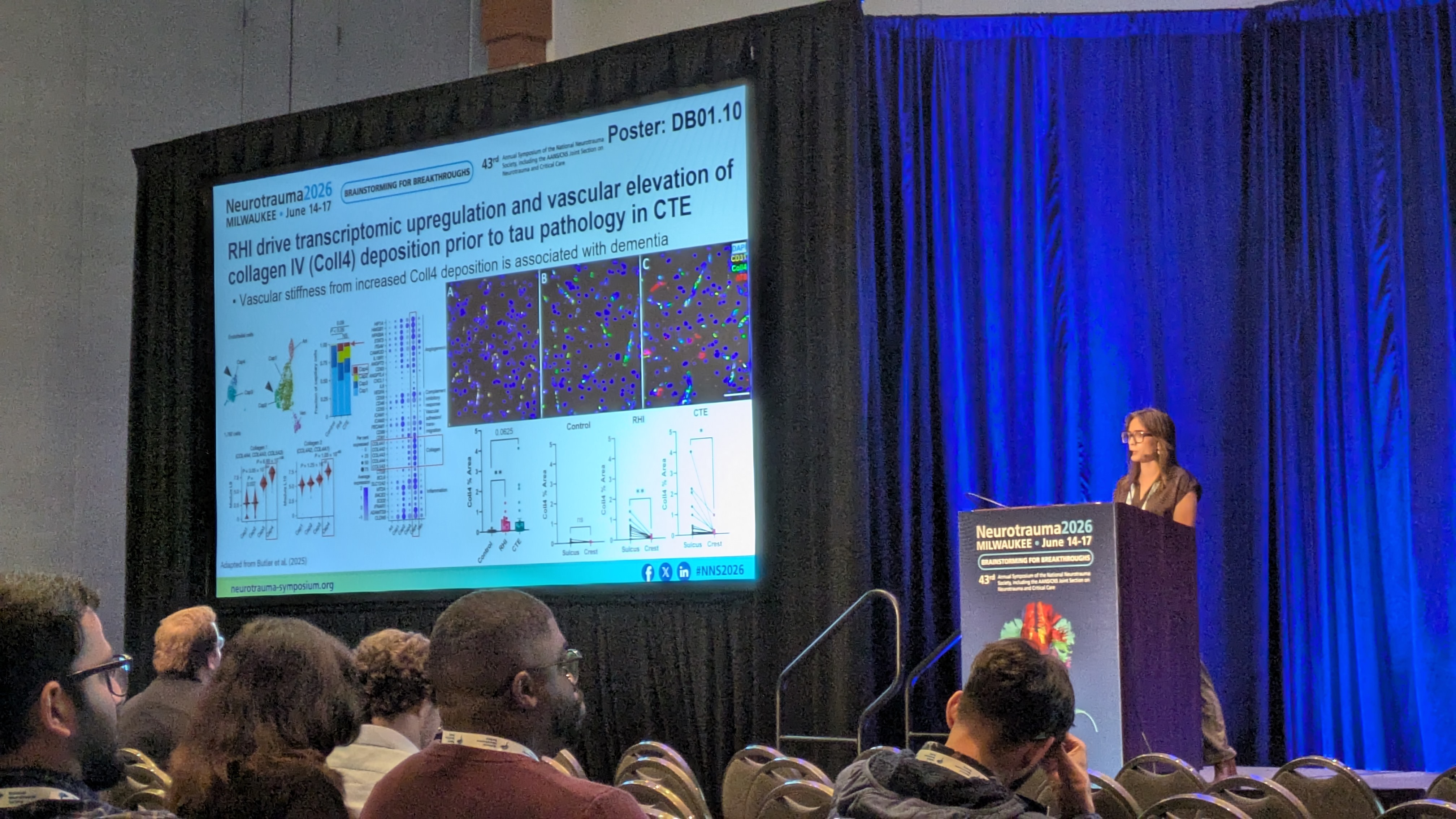
Determining how the vasculature system is damaged after head injury and acts as a mechanism for CTE.
Using spatial genomics to investigate how pathology interacts with surrounding cell types.
Creating image analysis algorithms to quantify and compare neuropathologic features.

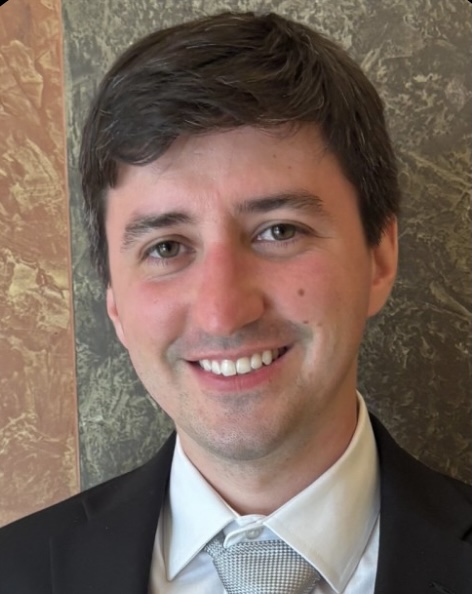


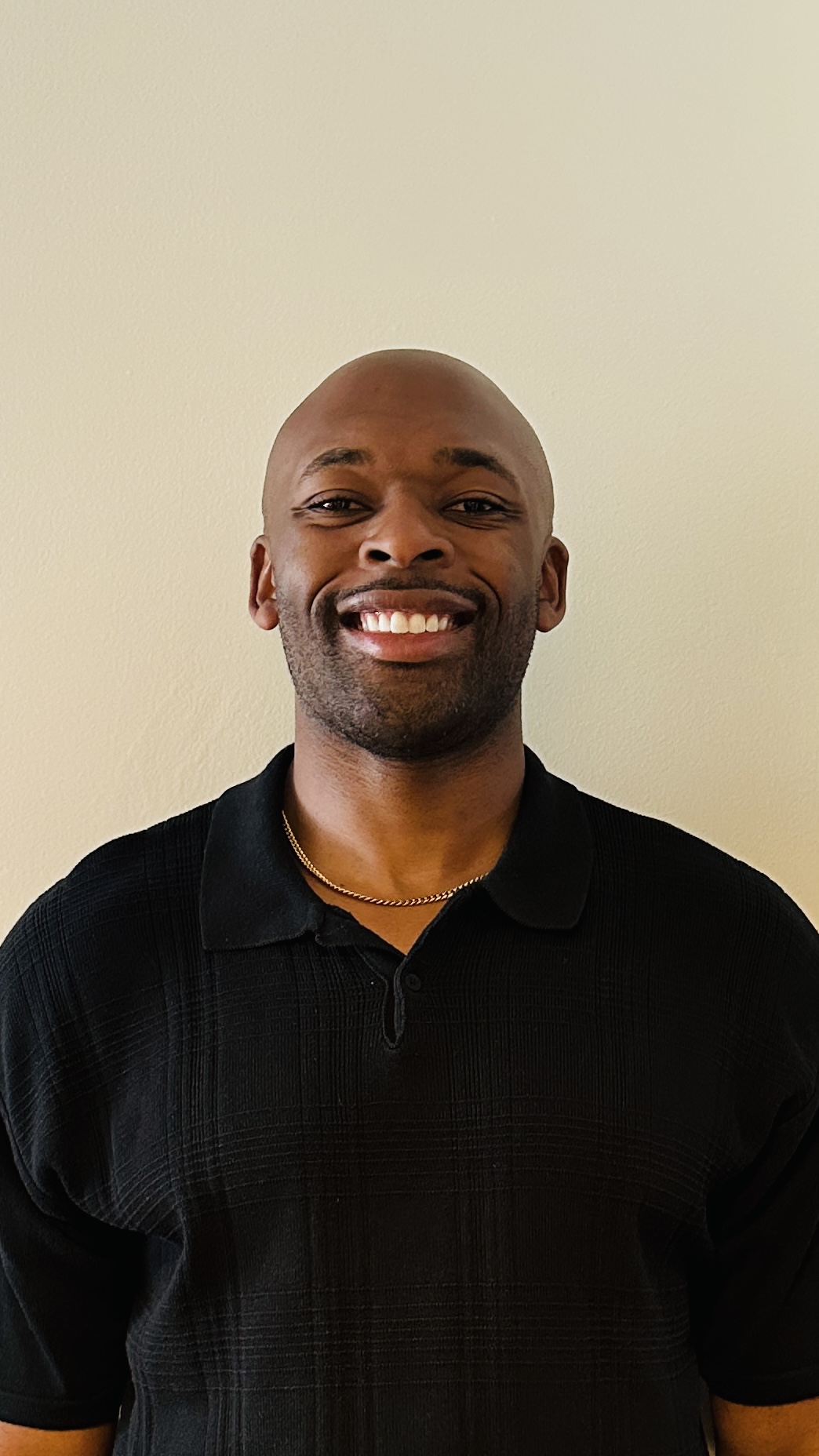


 Dr. Michael Buckland
 Dr. Dennis Dickson
 Dr. John Crary
 Sir David Klenerman
 Dr. Brad Hubbard
 Dr. Kevin Bieniek
Full publication list on Google Scholar · PubMed
We are always looking for motivated scientists to join the Cherry Lab. We value curiosity, rigor, and collaboration. If you are passionate about neuroimmunology and want to work in a supportive environment, we'd love to hear from you.
Send a CV, a brief statement of your research interests, and contact information for two references to jdcherry@bu.edu with the subject line "Application – [Position]".
We are grateful for support from the following funding bodies and institutions.
We welcome inquiries from prospective graduate students, postdocs, and collaborators. Please reach out with your CV and a brief description of your interests.